
Casino technical infrastructure overview
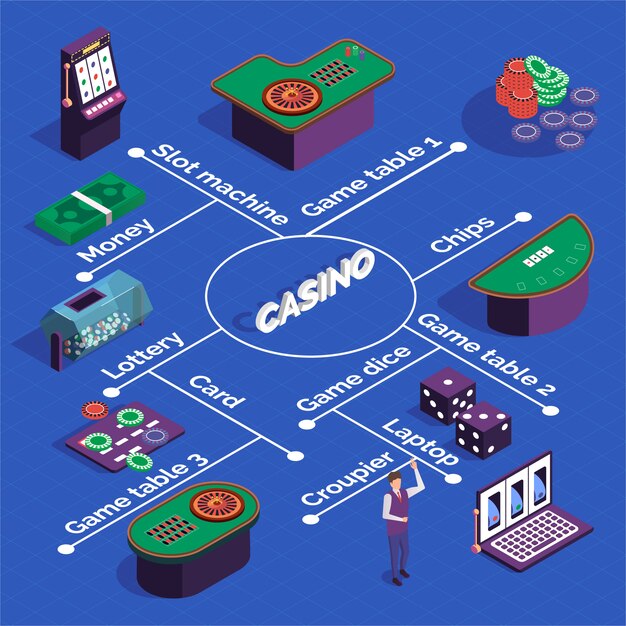
Implement an advanced technical infrastructure that enhances performance and drives player engagement. Choose cutting-edge server solutions that ensure minimal downtime and rapid data processing. Integrate scalable cloud storage for seamless access to player data and transaction history.
As the gaming industry continues to evolve, integrating advanced technical solutions is crucial for maintaining a competitive edge. By adopting a comprehensive approach to server architecture, casinos can better manage high traffic volumes while ensuring seamless user experiences. Efficient load balancing and caching mechanisms play vital roles in this infrastructure, allowing operators to respond swiftly to player demands. Additionally, it's essential to stay ahead of cybersecurity threats by implementing measures such as two-factor authentication and secure payment gateways. For more insights on enhancing your casino's technical foundation, visit hexabetcasino-online.com to explore tailored solutions that boost performance and player engagement.
Leverage real-time analytics tools to monitor player behavior and optimize gameplay experiences. Utilize AI-driven algorithms to tailor game offerings, maximizing player retention and satisfaction. Ensure robust cybersecurity measures are in place to protect player information and maintain trust.
Invest in reliable payment gateways that support multiple currencies and instant transactions, catering to a diverse player base. Strengthen your marketing strategies with data-driven insights to target promotional efforts effectively, leading to higher conversion rates.
Your path to success starts with a solid technical foundation. Trust our expertise to elevate your casino operations and enhance the gaming experience for every player.
Integrating Secure Payment Gateways for Online Casinos
Choose payment gateways known for their security features, such as encryption and fraud detection. Providers like PayPal, Skrill, and Neteller offer robust safety protocols that protect user data during transactions.
Prioritize gateways with PCI DSS compliance, ensuring they meet industry standards for secure payment processing. This compliance enhances user trust and lowers the risk of data breaches.
Consider offering multiple payment options. Players appreciate flexibility when funding their accounts. Include credit cards, e-wallets, and even cryptocurrencies to cater to diverse preferences.
Implement two-factor authentication (2FA) during transactions. This adds an extra layer of security for users, deterring unauthorized access and fraud attempts.
| Payment Gateway | Key Features | Best For |
|---|---|---|
| PayPal | Buyer protection, quick processing | International Players |
| Skrill | Low fees, multi-currency support | Frequent Users |
| Neteller | High limits, loyalty program | High Rollers |
| Bitcoin | Decentralized, anonymity | Cryptocurrency Users |
Regularly audit and update your payment processes. This prevents vulnerabilities and adapts to new threats. Stay informed about emerging technologies and trends in secure payment processing.
Incorporate clear communication about transaction security measures on your website. Transparency builds trust with players, making them more likely to engage with your casino.
Optimizing Server Architecture for High Traffic Handling
Implement distributed server management to enhance reliability and performance. Use load balancers to efficiently distribute traffic across multiple servers. This prevents any single server from becoming a bottleneck and ensures that users experience minimal delays.
Incorporate caching mechanisms to reduce server load. Utilize technologies like Redis or Memcached to store frequently accessed data. This decreases response times and improves throughput during peak traffic, allowing for seamless user experiences.
Regularly conduct stress tests to identify weaknesses in your server infrastructure. Load testing tools can simulate high traffic scenarios, helping to pinpoint areas for improvement. Use the findings to enhance server configurations and resource allocation.
Consider implementing a Content Delivery Network (CDN) to improve content delivery speeds. CDNs store copies of your static content in multiple locations, bringing it closer to users around the globe and significantly enhancing load times.
- Monitor performance metrics continuously to identify potential issues before they impact users. Look for latency, resource usage, and error rates.
- Scale your servers dynamically based on real-time traffic demands. Utilize cloud services with auto-scaling features to manage spikes effectively.
Ensure your server architecture supports horizontal scaling. Add more servers as needed instead of relying solely on upgrading existing ones. This approach facilitates better handling of high traffic and enhances resilience.
Optimize database queries to minimize load times. Utilize indexing, query optimization techniques, and data organization strategies. A well-structured database significantly improves response rates under heavy traffic conditions.
Implement security measures to safeguard against traffic spikes caused by malicious attacks. Employ Web Application Firewalls (WAFs) and DDoS protection solutions. These tools help maintain server integrity while managing legitimate traffic.
Regularly review and update your server architecture. This proactive approach ensures your infrastructure remains capable of handling evolving traffic needs efficiently.
Implementing Robust Data Analytics for Player Behavior Insights
Leverage machine learning algorithms to analyze player data effectively. By employing clustering methods, you can segment players based on behavioral patterns, allowing for personalized marketing strategies that resonate with distinct user groups.
Utilize real-time analytics dashboards to monitor player activity. This enables immediate insights into game preferences, betting patterns, and session durations, making it possible to make data-driven decisions quickly.
Implement A/B testing for promotional campaigns. This strategy allows you to measure the impact of different offers on player engagement, ensuring that every campaign optimally attracts and retains players.
Incorporate predictive analytics to forecast player behavior. By analyzing historical data, you can predict which players are likely to churn and take proactive measures to retain them through targeted incentives.
Ensure data privacy compliance while collecting insights. Transparency in data usage builds player trust. Provide clear information about how data will be used and what measures are in place to protect their information.
Use sentiment analysis on player feedback to measure satisfaction. Assessing comments from social media and support interactions offers valuable insights that guide improvements to overall player experience.
Continuously refine your data strategy. Regularly assess the analytics tools and methodologies used to ensure they align with the evolving needs of your player base and optimize outcomes.
Ensuring Compliance with Gaming Regulations and Standards
Implement a robust compliance management system to monitor and adapt to all relevant regulations. Regular audits of your operations highlight areas for improvement and ensure alignment with local laws.
Engage legal experts specializing in gaming regulations. Their insights can guide your policies and protocols, helping you avoid potential pitfalls.
Train your staff on compliance policies. Regular training sessions keep your team informed about industry standards and the importance of adhering to them.
Establish a whistleblower policy to encourage reporting of any suspicious activity without fear of retaliation. This fosters a culture of transparency and accountability.
Integrate technology solutions that automate compliance tracking. Use software designed for the gaming industry to streamline data collection and reporting processes.
Maintain clear communication with regulatory bodies. Regular updates and engagement demonstrate your commitment to compliance and can facilitate smoother interactions.
Document all procedures and changes. Keeping thorough records not only supports compliance efforts but also assists during any regulatory inspections.
Prioritize responsible gaming initiatives. Implement measures that promote player safety, such as age verification and self-exclusion programs, to meet regulatory demands and enhance user trust.
Stay informed about industry news and updates. Subscribe to relevant publications or join industry groups to keep abreast of new regulations and best practices.
Enhancing User Experience through UI/UX Design Techniques
Prioritize simplicity in navigation. Ensure users can find what they need quickly without unnecessary clicks. Utilize a logical hierarchy, grouping related features so users can intuitively follow tasks.
Incorporate visual consistency across all screens. Use a cohesive color palette and font style to create a familiar environment that eases user interaction. This can reduce cognitive load and enhance comfort.
Implement responsive design principles. Optimize user experience across various devices by adapting layouts based on screen size. This flexibility keeps users engaged, whether on desktop or mobile.
Enhance accessibility features. Include alternative text for images, keyboard navigation options, and suitable contrast ratios. By catering to users with different abilities, you foster inclusivity and improve overall engagement.
Utilize feedback mechanisms. Implement prompts and notifications that guide users through processes. For instance, when completing forms, real-time validation can prevent errors and frustrating setbacks.
Apply card sorting methods for content organization. This technique helps develop intuitive categorizations based on user expectations, ensuring that the information is accessible and logically arranged.
Engage users with micro-interactions. Small animations or visual cues during interactions provide feedback and create a dynamic experience, making the interface feel responsive and lively.
Make calls-to-action visually distinct. Use contrasting colors or button shapes to draw attention to important actions. Clear visibility encourages users to proceed, assisting in driving conversions.
Test design prototypes with real users. Collect insights to understand pain points and preferences. Direct feedback leads to informed adjustments, aligning the interface closer to user needs.
Keep content concise and relevant. Limit text to what users need at a glance. Clear messaging aligns with quick decision-making, which is critical in maintaining user engagement.
Deploying Real-Time Monitoring Tools for System Performance
Implement application performance monitoring (APM) tools such as New Relic or Datadog. These platforms provide real-time insights into application response times, error rates, and throughput, enabling you to identify bottlenecks swiftly.
Set up server monitoring with tools like Prometheus or Grafana. These solutions allow you to collect metrics on system resource usage, including CPU, memory, and disk I/O. Establish alerts to notify the engineering team when resource thresholds are exceeded.
Incorporate log management tools like ELK Stack (Elasticsearch, Logstash, Kibana) to analyze log data. This allows for efficient troubleshooting and enhances visibility into application behavior across distributed environments.
- Integrate real-time alert systems: Use Slack or PagerDuty to send notifications to relevant teams about critical performance issues.
- Maintain dashboards for continuous monitoring: Create user-friendly dashboards that visualize key performance indicators (KPIs) for easy reference.
- Utilize anomaly detection features: Leverage built-in algorithms in your chosen tools to identify unexpected performance dips without manual intervention.
Conduct regular performance reviews using the collected data. Schedule weekly or monthly meetings to discuss trends observed and adjustments needed for system optimization.
Implement synthetic monitoring with tools like Pingdom to simulate user interactions. This approach helps test availability and performance under various load conditions proactively.
Continuously refine your monitoring strategy based on feedback and system changes. As application architecture evolves, tailor your monitoring tools to maintain optimal performance oversight.